Funeral Customs
Introduction
Funeral customs encompass a range of cultural practices and rituals associated with honoring and commemorating the deceased. These customs vary significantly across different periods, regions, and cultures, each reflecting its unique historical, social, and religious contexts. This entry focuses on the evolution of funeral customs in ancient China, as revealed through archaeological discoveries and historical records.
Funeral Customs in Ancient Chinese Dynasties
Song Dynasty (960-1279)
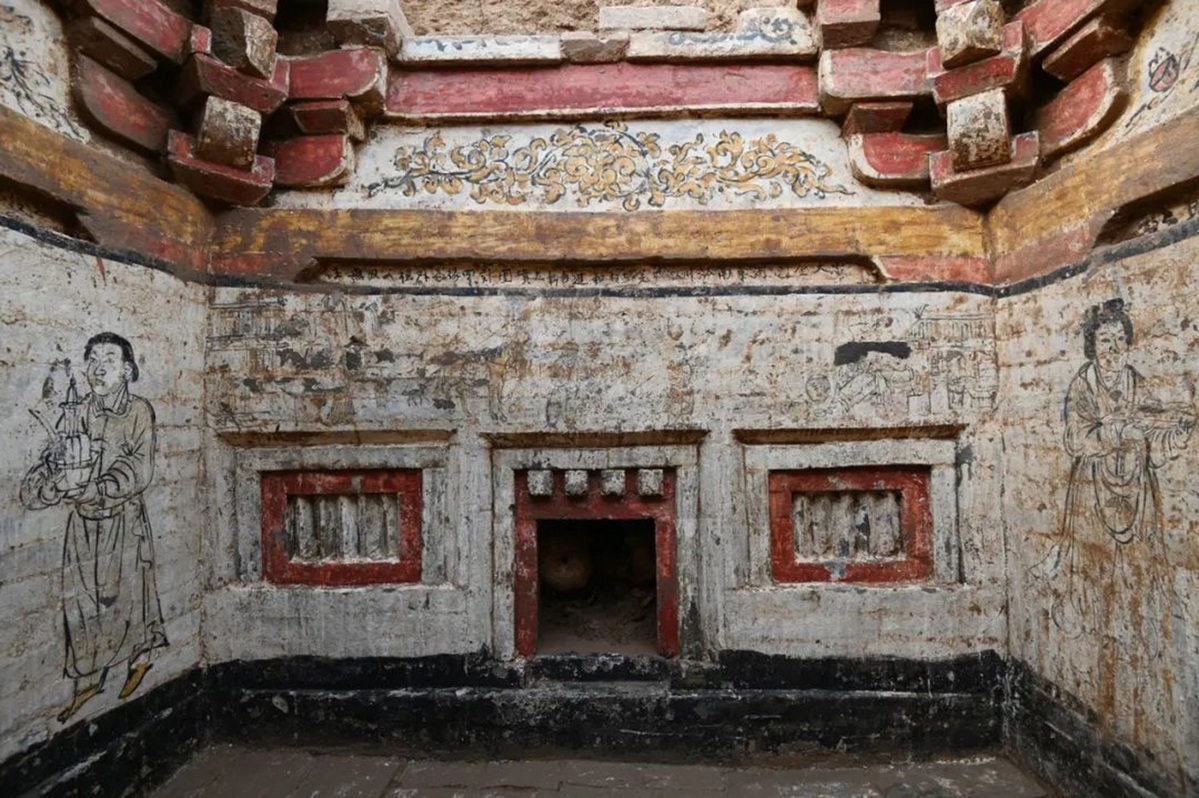
The funeral customs during the Song Dynasty were diverse and reflected the cultural, artistic, and social nuances of the period. Archaeological findings from Song Dynasty tombs, such as those uncovered in Shaoxing Museum in Zhejiang and Guiyang county in Hunan, reveal intricately decorated brick chambers with murals and carvings depicting daily life, flora, fauna, and mythical themes. These adornments not only served as artistic expressions but also provided insights into the worldview and beliefs regarding the afterlife.
In particular, the Song Dynasty tombs often included furniture, utensils, and other daily items, signifying the belief in the continuation of life beyond death. The presence of colored paintings and elaborate decorations in rare Song Dynasty family tombs underscores the importance of aesthetics and status in funeral practices. The use of carved bricks and murals to depict scenes from the life of the tomb owner illustrates the custom of commemorating personal identity and achievements.
Jin Dynasty (1115-1234)
Excavations of Jin Dynasty tombs in Shanxi province have revealed brick-chamber tombs with distinct mural styles and inscriptions. These findings highlight the regional variations in funeral customs and the influence of cultural and historical contexts. The murals serve as historical records, providing information about social ethics, architecture, and traditional Chinese culture.
The inscriptions and epitaphs found in these tombs offer valuable historical materials for understanding the social hierarchy and personal histories of the deceased. The distinct characteristics of each tomb reflect the diversity of funeral customs during the Jin Dynasty, emphasizing individual expression and personal legacy.
Liao Dynasty (916-1125)
The Liao Dynasty, established by the Khitan people, exhibited unique funeral customs that blended nomadic traditions with influences from neighboring cultures. The Liao Dynasty Shangjing Museum in Inner Mongolia showcases tomb murals, epigraphs, and religious artifacts that illustrate the transformation of funeral practices over time.
The Liao funeral customs included the use of entombed objects such as ceramics, textiles, and coins, reflecting the cultural fusion and the significance of material offerings. The Khitan script on coins and the presence of sacrificial items indicate the ritualistic aspects of their burial practices.
Regional Variations and Ethnic Traditions
Yunnan province
In Yunnan province, the oral traditions and funeral customs of ethnic groups such as the Jino, Nu, and Derung are being compiled to preserve their cultural heritage. These traditions offer a glimpse into the diverse funeral practices and beliefs of ethnic minorities, highlighting the rich tapestry of cultural expressions within China.
The efforts to document these customs underscore the importance of preserving intangible cultural heritage and understanding the unique ways in which different communities honor their deceased. The integration of oral traditions with archaeological findings enriches the study of funeral customs in the region.
Lingnan Region
The Yanshanzhai site, a Neolithic settlement in Guangdong province, provides insights into the funeral customs of ancient Lingnan cultures. The excavation of high-level tombs with jade artifacts and pottery items reflects the social stratification and the significance of burial goods in early Chinese societies.
The presence of multiple burial ceremonies and the movement of tombs suggest complex funerary practices and beliefs in the afterlife. These findings contribute to a deeper understanding of the cultural development and interactions in the Lingnan region.
Funeral Customs in Literature and Art
Funeral customs are also reflected in the literature and art of various periods. The murals from different dynasties, such as those displayed at the Shanghai Museum, offer a pictorial representation of ancient Chinese life and funeral rituals. These artworks provide valuable historical evidence of the customs and societal values of their time.
Literary works, including ancient texts and modern interpretations, explore themes of mortality, legacy, and the afterlife, further enriching the understanding of funeral customs across cultures. The depiction of funeral practices in literature serves as a bridge between the past and present, offering insights into the enduring human concern with death and remembrance.








